
Summary
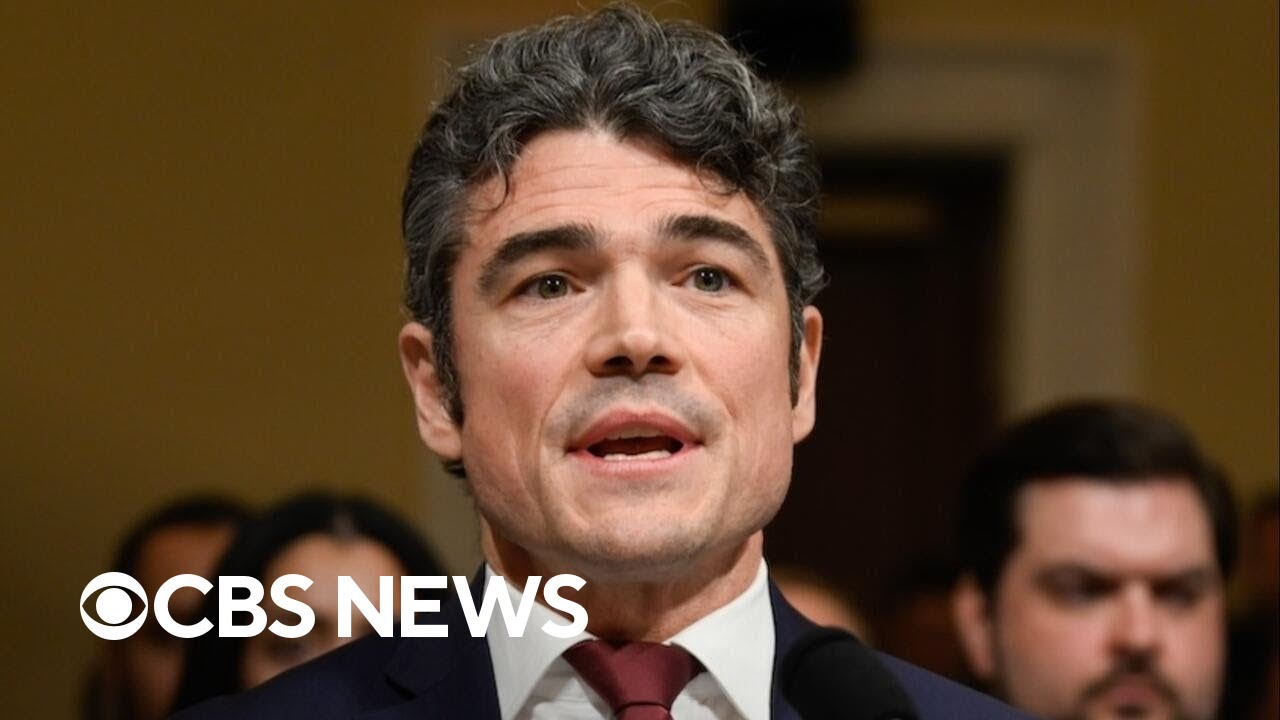
In a significant move, **Joe Kent**, a high-ranking official within the U.S. counterterrorism apparatus, has resigned from his post. The resignation, as reported by **The New York Times**, is directly attributed to his opposition to the escalating conflict with **Iran**. Kent's departure marks him as the highest-ranking official under the **Trump administration** to leave office specifically over disagreements concerning the Iran war, underscoring the profound policy divisions within the national security establishment. His known stance on the conflict and previous support for certain actions now come under renewed scrutiny following his exit.
Key Takeaways
- A top U.S. counterterrorism official, Joe Kent, has resigned.
- His resignation is explicitly linked to opposition to the Iran war.
- Kent is the highest-ranking Trump administration official to resign over this specific issue.
- The event highlights significant internal policy disagreements within the administration.
- This departure raises questions about the future direction of U.S. policy toward Iran.
Balanced Perspective
The resignation of **Joe Kent** highlights a clear policy divergence within the U.S. government concerning **Iran**. His departure, framed as opposition to the war, provides a specific point of contention in the ongoing debate about how to manage relations with Tehran. Further reporting will be needed to fully understand the scope of his objections and whether this signals a broader trend of dissent among national security professionals regarding the current administration's foreign policy towards Iran.
Optimistic View
Kent's resignation, while dramatic, could be a catalyst for a more robust public debate on the wisdom of escalating conflict with **Iran**. His principled stand might embolden other officials to voice dissent, potentially leading to a more cautious and diplomatic approach that avoids a costly war. This could ultimately steer U.S. foreign policy towards de-escalation and prioritize diplomatic solutions over military intervention, safeguarding American lives and resources.
Critical View
Kent's resignation signals a dangerous level of internal discord at a critical geopolitical juncture. His departure could embolden **Iran**, misinterpreting it as a sign of American weakness or division, thereby increasing the risk of miscalculation and further escalation. This event also raises concerns about the administration's ability to maintain a unified front on national security issues, potentially undermining its credibility on the global stage and making a wider conflict more probable.
Source
Originally reported by The New York Times